
Can Steroids Cause Acne? What Gym Users Should Know

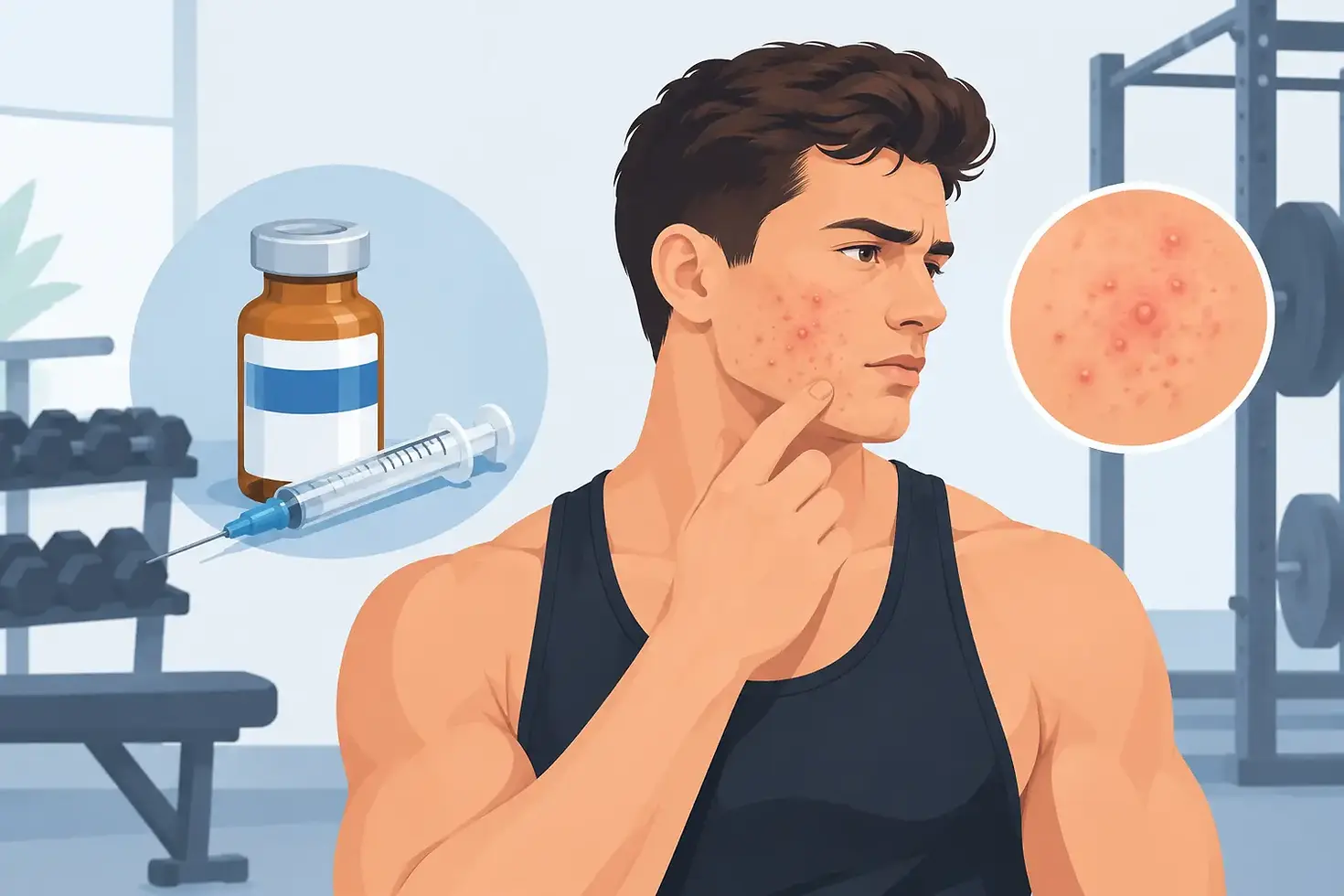
A sudden run of deep pimples across the shoulders, upper back, chest, or jawline can feel especially frustrating when your training, diet, and recovery are otherwise on track. So, can steroids cause acne? Yes. Acne is a common possible side effect of anabolic-androgenic steroids, particularly when hormone levels shift quickly or androgen exposure is high.
That does not mean every person who uses anabolic compounds will break out, and it does not mean every breakout is caused by a cycle. Sweat, friction from training gear, genetics, skin-care products, stress, and diet can all play a role. Still, if acne appears or worsens after starting a hormone-active product, the timing deserves attention.
I’ll keep this straightforward: steroid-related acne is usually a signal that your skin is responding to hormonal change. Ignoring it can turn a manageable issue into inflamed lesions, dark marks, or permanent scarring.
Can Steroids Cause Acne Through Hormonal Changes?
Anabolic steroids can increase androgen activity in the body. Androgens are hormones that can stimulate the sebaceous glands in the skin to produce more sebum, the natural oil that helps protect the skin barrier. More sebum is not automatically a problem, but it creates the right conditions for pores to become blocked.
When excess oil combines with dead skin cells and bacteria inside a follicle, inflammation can follow. That is why steroid acne often looks different from the occasional small blemish. It may involve clusters of painful red bumps, whiteheads, cyst-like spots, or widespread breakouts on the back and shoulders.
Areas with more oil glands are usually the first to react. For many gym users, that means the upper back, chest, shoulders, neck, and face. Back acne is often called bacne, but the cause is the same basic combination of oil, clogged follicles, and inflammation.
The risk can be higher with compounds that have stronger androgenic effects, but there is no reliable guarantee that a seemingly milder option will be skin-friendly. Individual response matters. Two people can use similar products and have very different outcomes because their genetics, baseline hormone levels, skin type, and routines are different.
It is also worth separating anabolic steroids from prescription corticosteroids. Corticosteroids, such as prednisone, can also trigger acne-like eruptions in some people, but they work differently and are used for medical conditions. If you are taking a prescribed steroid medication, do not stop it suddenly because of a breakout. Speak with the prescriber first.
Why Steroid Acne Can Escalate Fast
Hormonal acne can ramp up quickly because the trigger is happening internally. A new cleanser may improve surface oil and bacteria, but it cannot fully offset a major androgen-driven increase in sebum production.
Rapid shifts can be particularly tough on the skin. Starting, stopping, or changing hormone-active products without medical guidance may create fluctuations that aggravate acne. Some people also see their skin worsen after a cycle, when natural hormone production and hormone balance are still adjusting.
Sweaty training sessions can add another layer. Tight compression tops, backpack straps, lifting benches, and synthetic fabrics trap heat and friction against already oily skin. This can lead to acne mechanica, a form of breakout made worse by pressure, rubbing, and sweat. It is not a cleanliness failure. Scrubbing aggressively usually makes irritated skin worse.
There can also be a secondary issue that looks like acne but is not typical acne. Folliculitis, an inflammation of the hair follicles, can create itchy or tender bumps on the chest, back, and shoulders. A clinician or dermatologist can help distinguish between the two, especially if over-the-counter acne care is not helping.
Who Is More Likely to Break Out?
A personal or family history of acne is one of the strongest clues. If you had persistent acne as a teenager or tend to get oily skin easily, your chance of a flare may be higher with androgen exposure.
Other common risk factors include high sweat volume, delayed showering after workouts, tight gym clothing, oily hair products transferring onto the forehead and neck, and using heavy lotions that clog pores. Stress and poor sleep can also make inflammatory skin conditions harder to control. These factors may not be the root cause, but they can make an existing hormonal trigger more visible.
Practical Steps to Manage Steroid-Related Acne
The most useful approach is to act early. Once breakouts become deep, widespread, or painful, they are more likely to leave marks or scars. Keep the routine simple enough that you will actually use it consistently.
Shower after training when possible, particularly after sessions that leave your back or chest soaked. Use a gentle, fragrance-free cleanser on the face, and consider a body wash containing benzoyl peroxide or salicylic acid for acne-prone areas. Benzoyl peroxide can bleach towels and clothing, so rinse thoroughly and use white towels if needed.
Choose a light, non-comedogenic moisturizer rather than skipping moisturizer entirely. Over-drying the skin with harsh cleansers, alcohol-heavy toners, or constant exfoliation can damage the skin barrier and lead to more irritation. Acne treatment works better when the skin is calm enough to tolerate it.
Wash training shirts, pillowcases, hats, and towels regularly. Change out of sweaty clothing promptly, and avoid re-wearing gym tops that have been sitting damp in a bag. If shoulder or back acne is a problem, look at anything that repeatedly rubs those areas, including straps and tight equipment.
Do not pick or squeeze lesions. It is tempting, especially with visible shoulder or jawline breakouts, but squeezing increases inflammation and raises the likelihood of scarring. This is one area where patience pays off.
If acne is mild, consistent topical care may be enough. If it is moderate to severe, a pharmacist, family doctor, or dermatologist can discuss options such as prescription retinoids, antimicrobial treatments, or other therapies suited to your skin and health history. Severe nodules, cysts, or scarring deserve professional attention sooner rather than later.
Do Not Treat Post-Cycle Therapy as an Acne Fix
Post-cycle therapy is often discussed in performance circles as part of hormonal recovery, but it is not a direct acne treatment and it should not be used as a shortcut for skin management. Hormonal recovery can be complex, and acne may continue while the body adjusts.
The smarter move is to be honest about the timeline. Note when breakouts started, where they are appearing, what products you are using on your skin, and whether symptoms changed after a product or routine change. That information is useful if you speak with a healthcare professional, and it helps you avoid blaming every breakout on one factor.
When Acne Means You Should Pause and Get Help
Seek medical advice if you develop painful deep cysts, acne that spreads rapidly, signs of infection such as warmth or draining pus, or scarring. You should also get support if skin changes arrive alongside other concerning effects, including major mood changes, chest pain, shortness of breath, severe headaches, or signs of an allergic reaction.
For Canadian customers considering performance products, product quality and clear information matter, but they do not remove the possibility of side effects. Responsible decisions include understanding what you are using, avoiding rushed changes, and treating new symptoms as useful feedback rather than something to hide.
Clearer skin rarely comes from a harsher scrub or a more complicated cabinet of products. Give your skin a consistent routine, reduce friction and sweat buildup, and get qualified help early if breakouts are becoming painful or persistent. Protecting your skin now can prevent scars that last far longer than a training cycle.




Comments